In the contemporary corporate landscape, AI Services have transitioned from experimental novelties to essential business utilities. Rather than investing years into developing internal algorithms, organizations now integrate sophisticated, industry-ready solutions that address specific operational pain points. This approach—often characterized as AI-as-a-Service (AIaaS)—allows companies to deploy enterprise-grade intelligence without the burden of maintaining expensive infrastructure or specialized hardware.
Microsoft Copilot: The Intuitive Productivity Layer
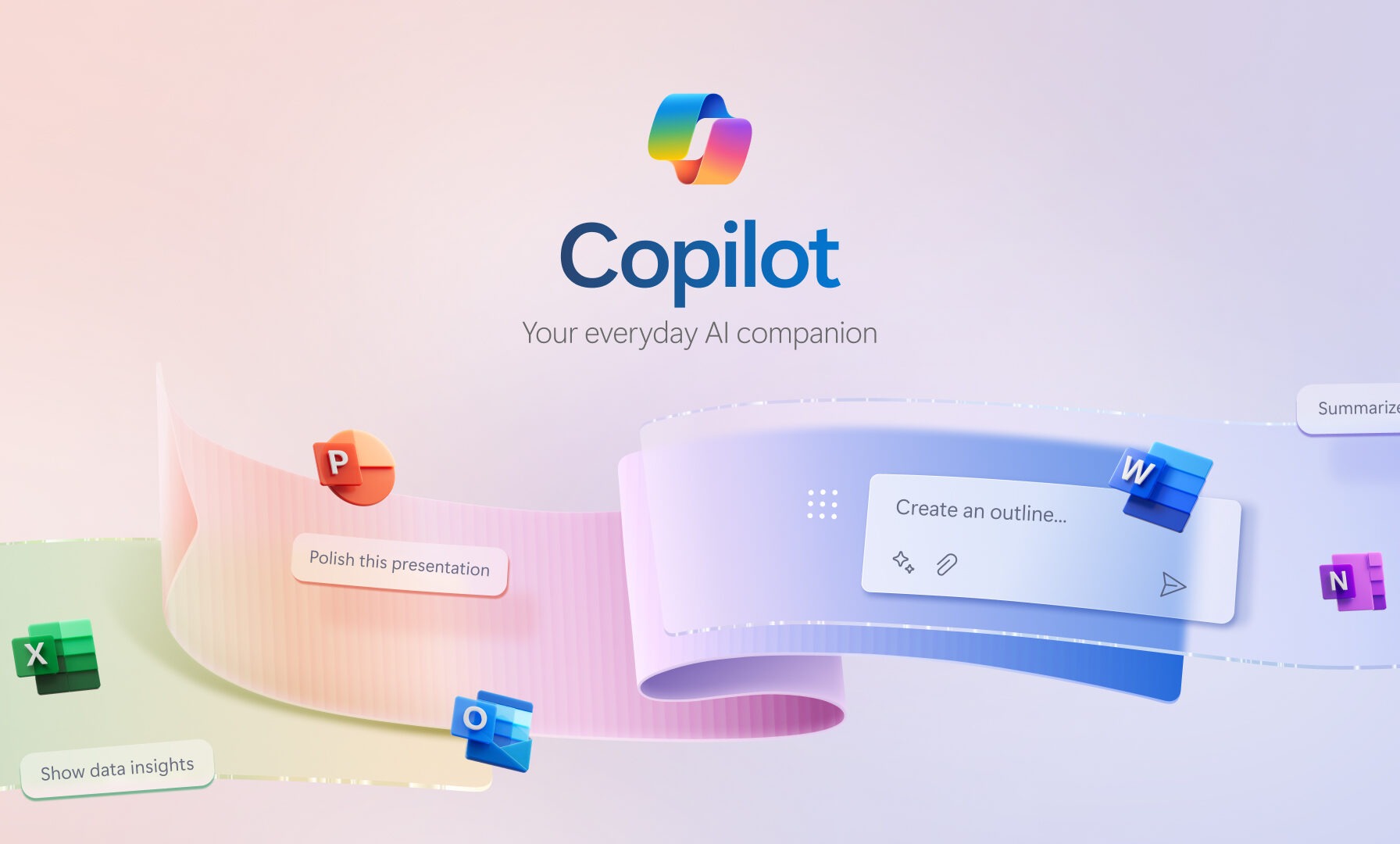
Copilot is an embedded assistant built directly into the Microsoft 365 apps (Word, Excel, Teams). Its value lies in "plug-and-play" productivity for the average employee.
Strengths: Automates "blank page" problems by drafting documents, summarizing missed meetings in real-time, and conducting complex data analysis in Excel using natural language.
Key 2026 Feature: Copilot Agents—specialized, autonomous mini-bots that can be customized via "Copilot Studio" to handle specific department workflows (e.g., an HR agent that handles onboarding).
Best For: Enhancing daily office workflows and team collaboration with zero technical barrier.
Cybersecurity Assessment
AWS treats AI as enterprise infrastructure. Through services like Amazon Bedrock, it provides the "building blocks" for companies to create their own custom AI applications.
Strengths: Offers "Model Choice"—the ability to swap between different high-end AI models (Claude, Llama, Mistral) based on cost or performance.
Key 2026 Feature: Amazon Q—a highly secure, enterprise-grade expert that troubleshoots code for developers and answers complex business questions grounded in private company data.
Best For: Technical teams and developers who need to build, scale, and maintain proprietary AI solutions with full control over data and architecture.
Many companies are struggling to navigate today’s challenges for several reasons, such as